

When I look for ways to save money for client associations, and I look at a community association’s budget for the first time, I zero in first on utilities, and second is trash collection. Trash collection is the least considered budget line item for scrutiny. There are many ways to save money in commercial trash collection. Most of the time these savings are not realized is because they don’t know how to look, and where to look. Let me share a few ways you might be able to lower your monthly maintenance fees just by changing the way you collect your trash and have it hauled away. 
Waste collection service companies are offering discounts to residential customers and community associations. But, you have to call them and ask. They just don’t look for your inefficiencies for you and charge you less. And they will really go on alert to save you money, especially if you call and ask to have your service terminated. This doesn’t help multi-family set ups with community dumpsters. But, for homeowners living in HOAs, this presents an opportunity to save a few dollars by negotiating. However, for this to work there must be at least one other approved vendor for your city, town or county. Some areas only have one assigned trash collection company.
There are other ways to save money on trash collection, especially for commercial or community wide trash collection. First, check with your association’s deed restrictions to see if trash collection is mandatory. If you are on the board of directors of your community association, and your deed restriction and covenants do not call for mandatory trash collection, amend your documents to provide for this. 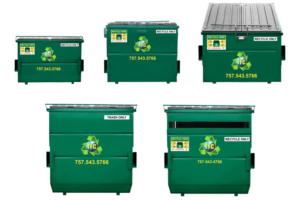
Consider recycling. You would be surprised, if you recycle all of your trash that is recycle-able, how little “trash” you actually have left that has to be disposed of. Take out the aluminum cans, the paper and newspaper, the plastic (anything) bottles, the glass, and there really isn’t much trash left. In many places recycling remains the trend, for those who believe it will save the planet, but it can also save you trash collection costs. If your community does not have a central recycle collection designated area, see about getting one approved. Most trash collection companies will give you (for free) separate trash containers for each type of recycle material, and, at no additional charge, collect your recycled trash once a week or as often as necessary providing you have a central location for large bins to be located and serviced. Its best to announce and promote and encourage all your community association owners to participate in the recycle effort. If they won’t do it to save the planet, just tell them it could lower their monthly fees, they may respond to that. Once you see a decrease in the volume of trash in the main general dumpster, or if you have several smaller dumpsters, think about either lessening the days of collection and/or the size of each dumpster. Trash collections companies charge you based on both issues, number of days collect and size of dumpster. They don’t care if its empty or full, they charge you the same either way.
One more tip is to ask your collection company to change your collection frequency on a seasonal basis. Most companies will allow community associations to change their number of pick-ups once or twice a year. For example, in Florida, when the snow birds fly back up North, usually just after Easter, you could change the pick-ups from 3 to 2 times per week, depending on your occupancy levels over the summer. Then, in the fall, when occupancy rises again for the season, add the additional pick up per week back to the schedule. The savings add up. 
The entire issue on “recycling now” deserves it’s own article in the future here at condovoice.com. But this green, money saving principal can also be applied community wide, if enough residents get involved. If the whole community recycles, and during the summer, when less residents are here, picking up once a week may be enough, and then increasing back to two or three times per week as necessary from November to April, when you are at full capacity. It doesn’t hurt to ask. It has been my experience that most companies will listen to you if you call. Why not give them a call. They may actually have suggestions for you, to save you money.
One more thing to consider. If you don’t have a community against con tractors using the dumpsters, make one. Make sure they are required to haul all their debris from their jobs off property. If a homeowner does a major repair or remodel, even if they DIY it, make sure they cannot put construction debris in the dumpsters. Look for spikes in trash volume for your community. Make sure you anticipate it, and have a way to manage it.


